How to Choose and Store Fresh Eggs
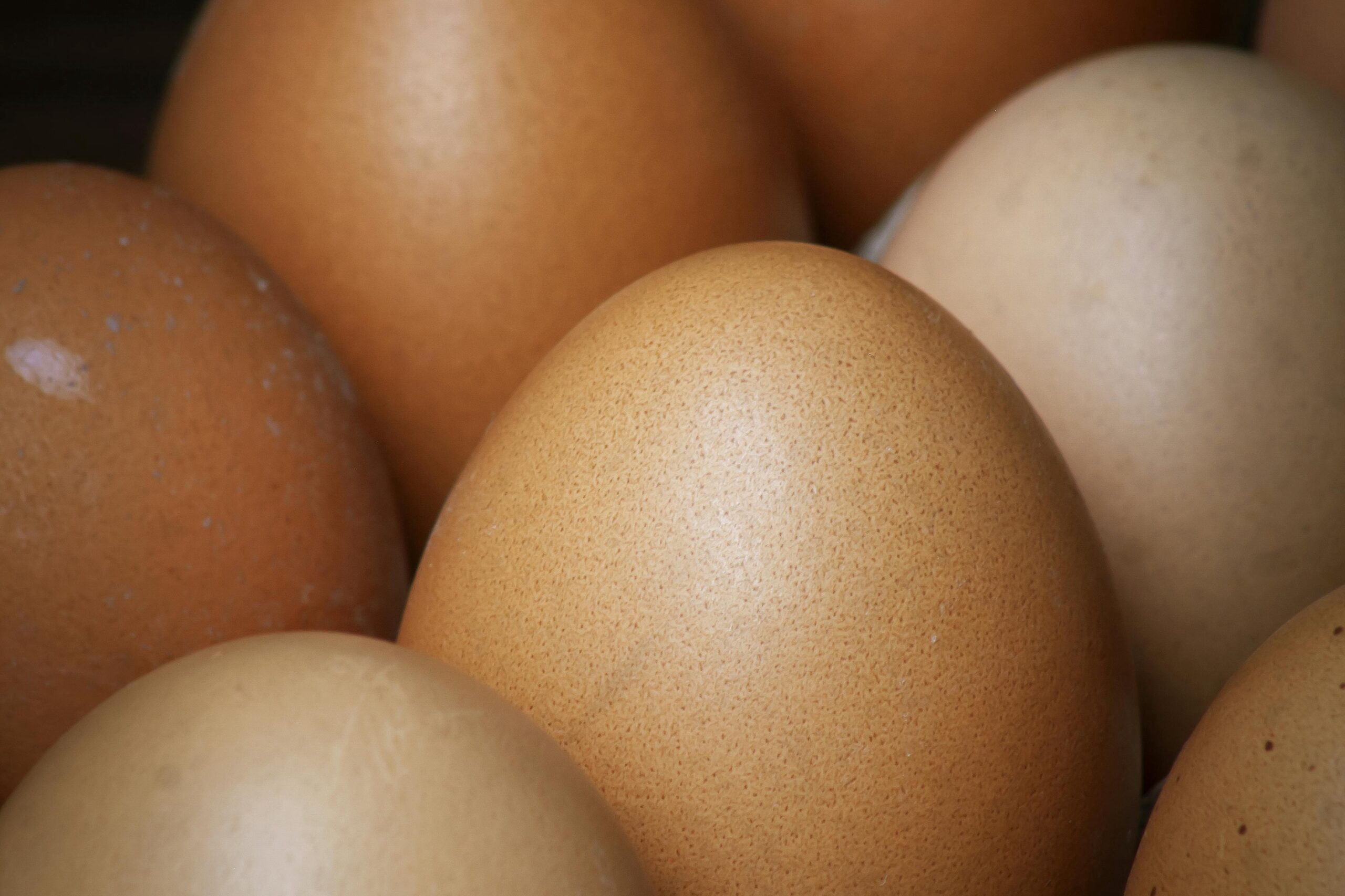
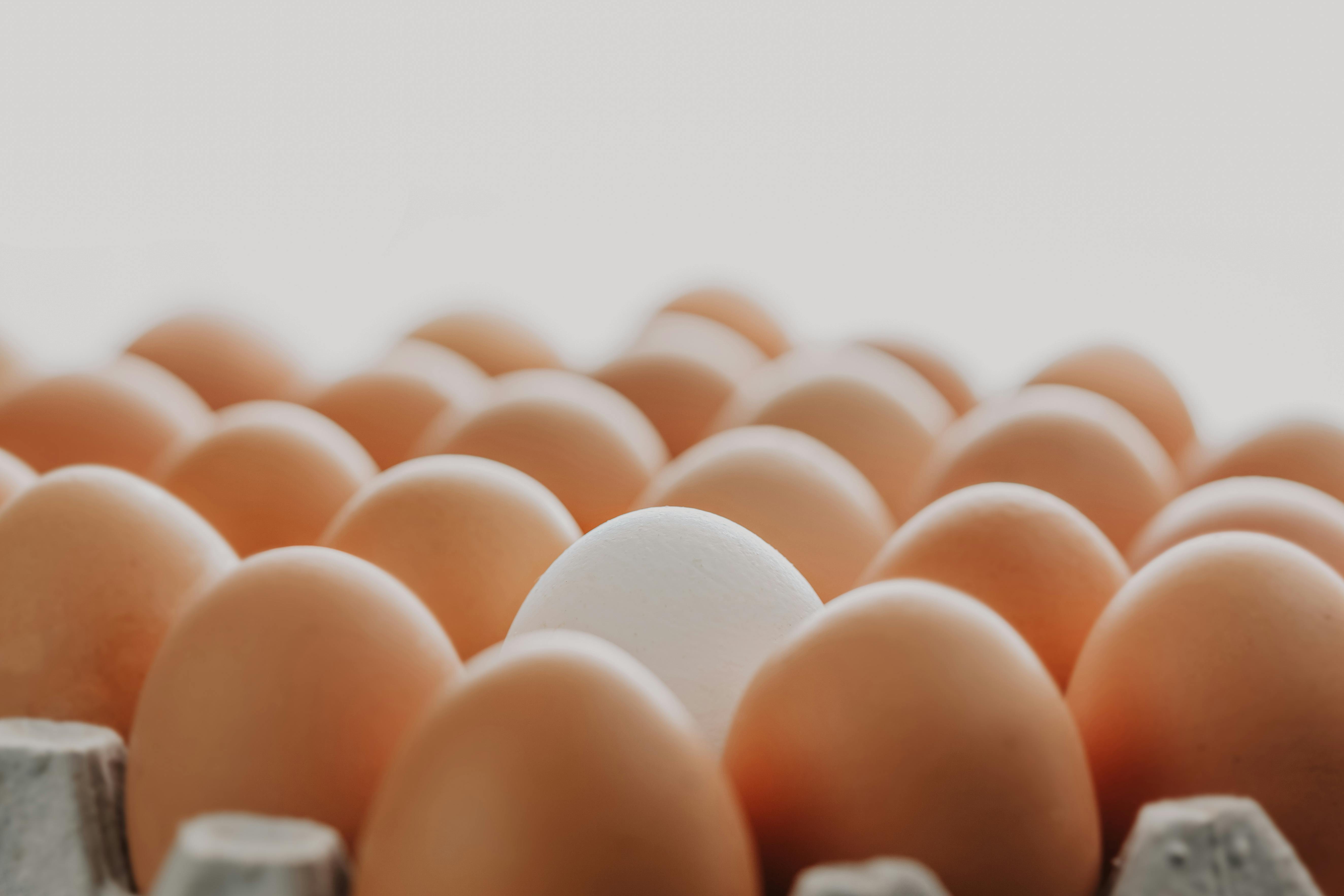
Eggs are a kitchen staple, versatile and nutritious. Choosing high-quality eggs at the market and storing them correctly at home reduces waste and lowers your risk of foodborne illness. This guide explains what to look for when buying eggs, how to interpret common labels (free-range, pasture-raised, organic), and best practices for storing and handling eggs safely.
Selecting eggs at the market
When you’re in the store, take a moment to inspect the carton before you buy. Look for:
- Intact shells — avoid cartons with cracked or leaking eggs.
- Cleanliness — shells should be reasonably clean; heavy dirt may hide cracks and bacteria.
- Consistent size and color — while color doesn’t affect nutrition, uniformity means they likely came from one flock or batch.
- Packaging date and sell-by or best-by dates — fresher eggs often taste better and perform better when used raw in recipes.
Understanding labels
Labels on egg cartons can be confusing. Here are common terms and what they generally mean:
- Cage-free: Hens are not kept in traditional battery cages but still may be confined indoors.
- Free-range: Hens have some access to the outdoors during part of the day; exact access varies by producer.
- Pasture-raised: Hens are kept on pasture and have significant outdoor access; this often implies better animal welfare but standards vary.
- Organic: Hens are fed organic feed and cannot be given antibiotics; organic does not automatically mean pasture-raised.
- Omega-3 enriched / Fortified: Hens are fed diets that increase certain nutrients in the egg.
Labels can reflect animal welfare, feed, and production practices, but they don’t guarantee superior food safety or freshness. Use the label as one factor among many.
Buying tips
- Buy from retailers with high turnover to increase the chance of fresher eggs.
- Check the pack date if available (often a Julian date on the carton). A lower number means earlier in the year; newer packs have higher numbers within the same year.
- Consider local farms: farmers’ markets and farm stands often sell very fresh eggs and you can ask about the hens’ conditions directly.
Storing eggs at home
How you store eggs matters. Follow these practical tips:
- Keep eggs refrigerated at or below 40°F (4°C). Cold storage slows bacterial growth and preserves quality.
- Store eggs in their original carton. The carton protects eggs and prevents them from absorbing strong odors and flavors from other foods.
- Place the carton toward the back of the fridge rather than the door. The door experiences the most temperature fluctuation.
- Pointy end down. This keeps the yolk centered and the air cell stable for longer freshness.
- Do not wash eggs until right before use. Washing removes the natural protective coating (bloom) and increases contamination risk unless done under controlled, sanitized conditions.
How long do eggs last?
Properly refrigerated eggs in their cartons typically remain high quality for 3–5 weeks from the pack date. Use-by dates are helpful, but give priority to the pack date and storage conditions. If you need to keep eggs longer, consider freezing beaten eggs or yolks/whites for cooking later.
Simple freshness and safety checks
- Float test: Place the egg in a bowl of water. If it sinks and lies flat, it’s very fresh; if it stands upright or floats, it’s older and should be checked more carefully before use.
- Sniff test: A bad egg often gives a sulfurous or rotten smell even before you crack it open; discard immediately.
- Visual check: After cracking, look for cloudy whites (a sign of freshness) or unusual colors/odors; discard if anything looks off.
Reducing the risk of foodborne illness
Salmonella is the main concern with eggs. Reduce risk with these practical steps:
- Cook eggs to firm whites and yolks. Dishes with raw eggs (e.g., homemade mayonnaise, hollandaise, mousse) should use pasteurized eggs or powders unless you accept the small risk.
- Avoid cross-contamination. Wash hands, utensils, and surfaces after handling raw eggs.
- Keep eggs refrigerated and never leave them at room temperature for extended periods.
- Follow ‘use by’ guidance for dishes containing eggs and refrigerate leftovers promptly.
Practical storage extras
If you have more eggs than you can use quickly, you can freeze eggs. Crack them, beat yolks and whites together (or separate and freeze individually), and store in a sealed container. Mark the date and use within a year for best quality.
Final thoughts
Choosing and storing eggs well is simple with a little attention: inspect cartons, understand labels, keep eggs cold in their cartons, and follow basic safety rules when handling and cooking. These steps will help you enjoy eggs with confidence, whether you’re frying, baking, or making a salad.
5 thoughts on “How to Choose and Store Fresh Eggs”
Leave a Reply to Ethan K. Cancel reply
Related Post
Sustainable Egg Farming Practices
Sustainable Egg Farming: Practices That Protect Hens and the Planet Responsible egg farming is about [...]
Nutritional Profile of Chicken Eggs: A Clear Breakdown
Nutritional Profile of Chicken Eggs Chicken eggs are often called nature’s multivitamin — a compact, [...]



Float test saved me once — found an old egg that floated and tossed it. Thanks for including simple checks like that.
Great tips — I didn’t know about keeping the pointy end down. That made a noticeable difference for me when I started doing it.
I appreciate the safety reminders about cooking temperatures. I now use pasteurized eggs for recipes that call for raw eggs.
Quick question: do you recommend washing farm-fresh eggs? I buy from a neighbor and sometimes they’re a bit dirty.
The explanation of labels was really helpful. I always wondered what pasture-raised actually meant compared with free-range.