Sustainable Egg Farming Practices

Sustainable Egg Farming: Practices That Protect Hens and the Planet
Responsible egg farming is about balancing productivity with animal welfare and environmental stewardship. Farmers who adopt sustainable practices often see benefits in flock health, product quality, and long-term viability of their land. This overview covers practical approaches: hen welfare, pasture rotation, feed choices, waste management, and strategies to reduce the environmental footprint. It also explains how these steps can improve animal health and the nutritional quality of eggs.
Hen Welfare: Housing, Enrichment, and Health
Good welfare begins with appropriate housing and management. Lower stocking densities, natural lighting, and opportunities for hens to forage, dust-bathe, perch, and express natural behaviors reduce stress and disease. Enrichment items such as perches, straw bales, and pecking objects encourage activity and reduce harmful behaviors.
Regular health monitoring, vaccination where appropriate, and biosecurity reduce the need for routine antibiotics. Transparent welfare standards and third-party audits help consumers trust farming claims while encouraging continuous improvement on farms.
Pasture Rotation and Land Management
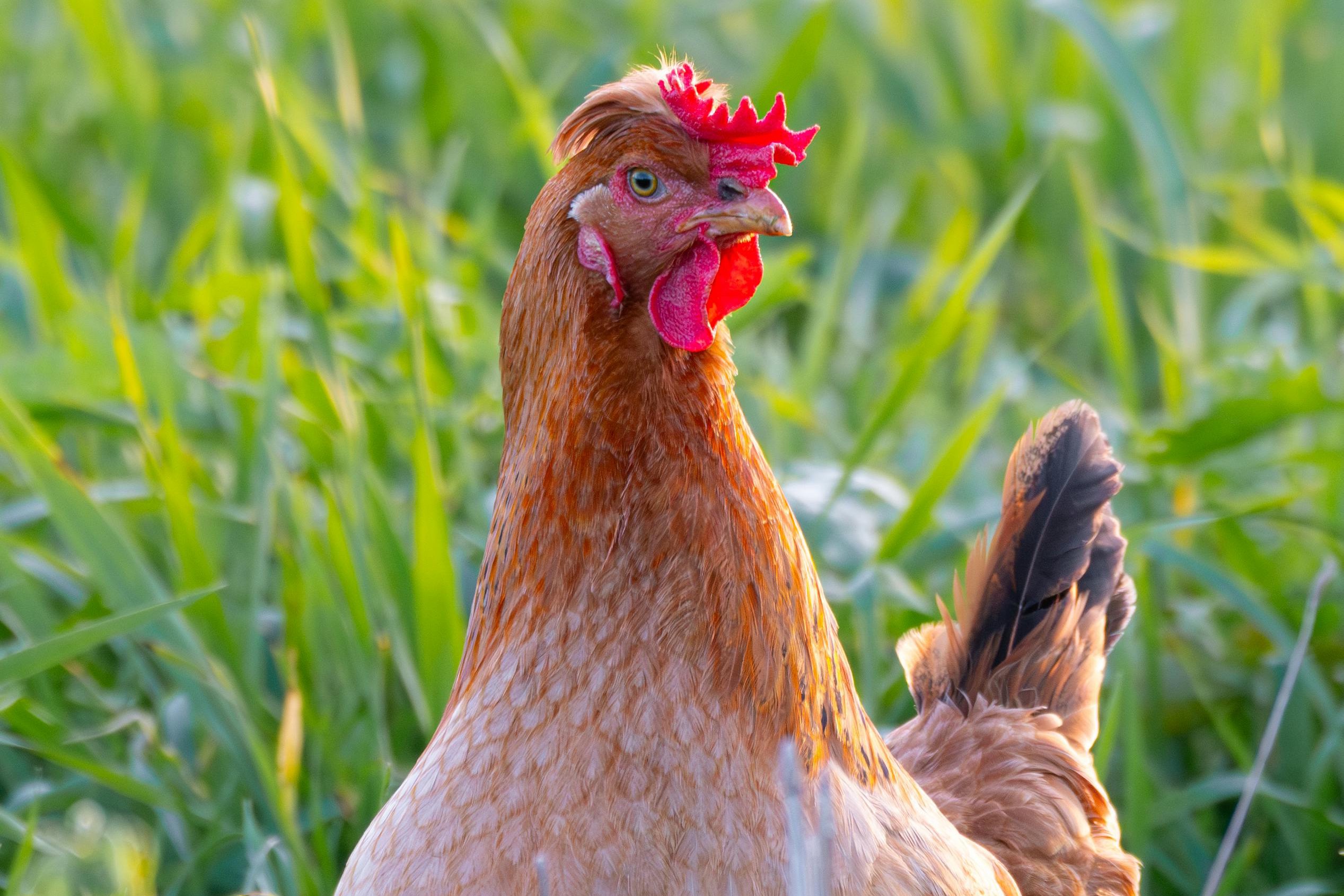
Pasture-based systems that rotate birds among paddocks benefit both soil and birds. Rotational grazing prevents overuse of vegetation, reduces parasite loads, and allows forage to recover. Moving mobile hen houses or using portable fencing makes rotation practical for small and medium farms.
- Reduce parasite buildup through timed moves.
- Allow vegetation regrowth to maintain ground cover and reduce erosion.
- Integrate cover crops to improve soil fertility and provide supplemental foraging.
Feed Choices: Nutrition and Sustainability
Feed is the largest input in egg production. Choosing sustainable feed sources can lower environmental impact and improve egg nutrition. Strategies include sourcing local grains to reduce transport emissions, incorporating responsibly produced soybean alternatives, and exploring novel proteins such as insect meal or algae for omega-3 enrichment.
Formulating diets to match nutritional requirements without overfeeding protein reduces nitrogen excretion. Adding flaxseed, algae, or other omega-3 rich ingredients can boost the fatty acid profile of eggs, producing a healthier product for consumers.
Waste Management and Nutrient Cycling
Manure is a valuable nutrient resource when managed correctly. Composting poultry manure stabilizes nutrients, reduces pathogens, and creates a soil amendment that can be returned to fields. For larger operations, anaerobic digesters can capture methane for energy while producing nutrient-rich digestate for fertilizer.
Careful timing of manure application to fields, matching crop needs and avoiding runoff seasons, prevents water pollution. Buffer strips and constructed wetlands can further reduce nutrient loss from farm landscapes.
Reducing Environmental Footprint: Energy, Water, and Carbon
Sustainability gains come from efficiency and renewable adoption. Simple measures—LED lighting, energy-efficient ventilation, and water-saving drinker systems—reduce resource use. Installing solar panels, integrating wind where feasible, and using biogas from digesters can offset fossil fuel use and lower the farm’s carbon footprint.
Lifecycle thinking helps: evaluating feed sourcing, packaging, transport, and end-of-life nutrient recycling guides continuous improvements.
Benefits to Animal Health and Egg Quality
Flocks managed with welfare-focused, pasture-based and nutrition-aware systems often show lower stress, better immune function, and improved laying persistency. Eggs from hens with access to forage and enriched diets can contain higher levels of vitamins A and E and beneficial fatty acids like omega-3s. Reduced antibiotic use also meets consumer demand for cleaner labels.
Practical Steps for Farmers
- Begin small: pilot pasture rotation and measure vegetation recovery.
- Audit feed: consider local sourcing and trial omega-3 supplements.
- Implement enrichment and lower stocking densities where possible.
- Start composting manure and develop a nutrient management plan.
- Track energy and water use to find efficiency gains.
Adopting sustainable egg farming practices improves animal welfare, supports environmental health, and can enhance the nutritional value of eggs for consumers. Whether you’re a hobbyist with a few hens or operating a commercial flock, incremental changes add up—benefiting birds, soils, and communities.
3 thoughts on “Sustainable Egg Farming Practices”
Leave a Reply to Marta Green Cancel reply
Related Post

Eggs and Protein: Building Blocks for Health
Eggs are one of nature’s most efficient and versatile sources of complete protein. Each large [...]
Nutritional Profile of Chicken Eggs: A Clear Breakdown
Nutritional Profile of Chicken Eggs Chicken eggs are often called nature’s multivitamin — a compact, [...]



Great overview — especially liked the practical steps section. Composting poultry manure really transformed our vegetable plot and reduced our fertilizer bills.
This is a helpful resource for new farmers. Consider adding links to welfare certification programs and local extension services for readers who want to implement these practices.
Would love more detail on how to integrate insect meal into layer diets. Has anyone tried it at scale with reliable supply?